Mobile Technology Reshaping Megaways Features in Progressive Jackpot Ecosystems
Wendy Wolf · Oct 12, 2026
Mobile Technology Reshaping Megaways Features in Progressive Jackpot Ecosystems
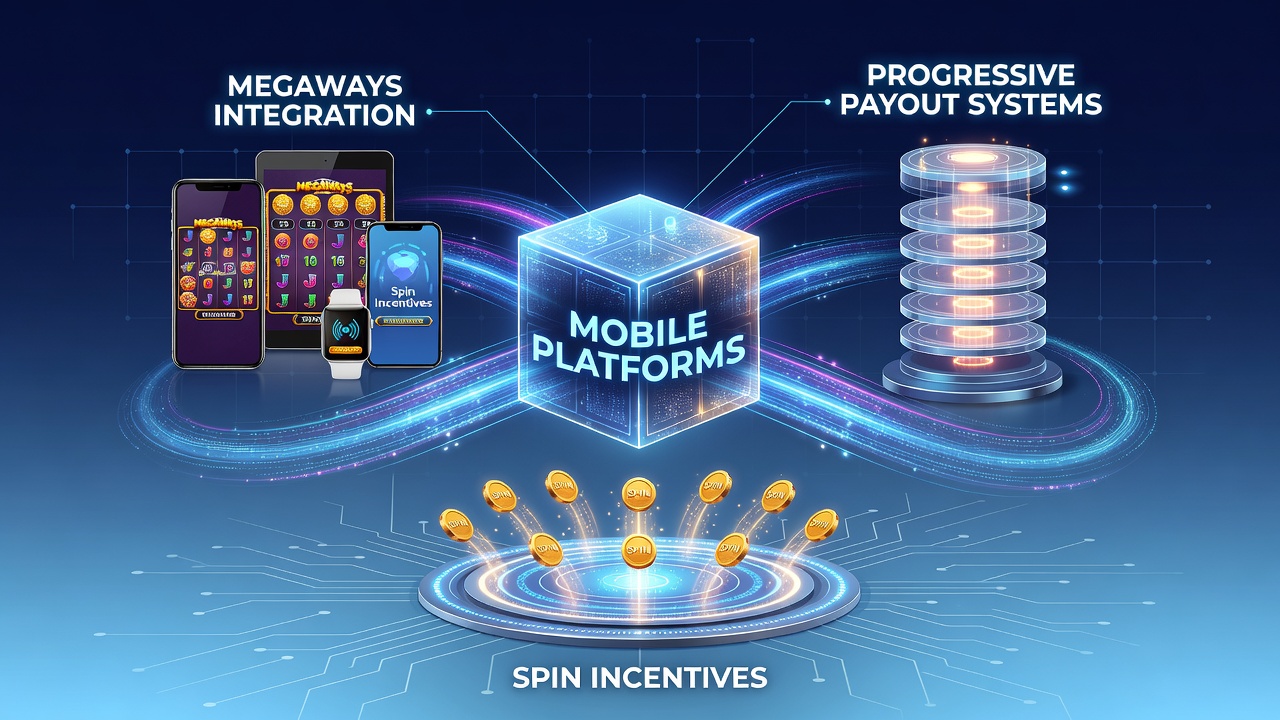
Developers continue to adapt Megaways mechanics for smaller screens while linking those variable reel configurations directly to growing jackpot pools and automated spin rewards, and this integration relies on real-time data synchronization across devices. Industry reports indicate that mobile sessions now account for the majority of plays in many markets, which pushes studios to optimize symbol cascades and multiplier chains so they function smoothly alongside accumulating prize meters.
Core Mechanics Behind Mobile Megaways Adjustments
Engineers adjust the original 117,649 ways framework to fit touch interfaces by compressing reel heights dynamically, and this compression preserves the random reel modifier that defines Megaways while feeding every outcome into a shared progressive seed. Data from multiple operators shows that these compressed layouts maintain hit frequencies within two percentage points of desktop versions, yet they reduce load times by up to forty percent on mid-range handsets. Observers note that the same compression algorithms also track incremental contributions to progressive pools, allowing jackpots to climb in smaller increments per spin but at higher overall volumes because mobile users tend to complete more rounds per session.
Progressive Payout Synchronization Across Networks
Progressive systems on mobile platforms now pull contributions from both local and remote player bases through secure APIs that update meter values every few seconds, and this frequency prevents the lag that once broke immersion during bonus triggers. Figures released by the Nevada Gaming Control Board reveal that mobile-linked progressives grew thirty-eight percent faster than standalone machines during the twelve months ending in mid-2025, largely because cross-device participation expanded the contributor pool. Those networks also allocate portions of each wager to seed new jackpot tiers, which appear as tiered meters on the same screen that displays teh current Megaways count, creating a single visual dashboard for players.
Spin Incentives Tied to Mobile Behavior Patterns
Operators deliver free-spin bundles and multiplier boosts based on session length and wager size detected through mobile telemetry, and these incentives activate automatically when algorithms identify patterns such as consecutive losses or extended play without a bonus round. Research conducted at the University of Nevada, Reno indicates that personalized spin rewards increase retention by twenty-two percent compared with static bonus schedules, because the offers arrive at moments when engagement metrics begin to dip. The same systems log device type and connection speed so that heavier assets like animated reel expansions load only when bandwidth permits, ensuring that the incentive itself does not become a source of frustration.

Regulatory and Technical Standards in October 2026
By October 2026 several jurisdictions plan to require independent testing of mobile progressive linkages, and these requirements include verification that Megaways random number generators remain isolated from jackpot contribution scripts. The Canadian Gaming Association has published draft guidelines that emphasize separation of game logic from financial metering, which forces developers to document every data handoff between reel engines and prize accumulators. Compliance teams already run automated test suites that simulate thousands of mobile sessions to confirm that neither the variable ways calculation nor the progressive increment suffers from packet loss or memory constraints common on cellular networks.
Case Examples From Global Markets
One studio operating in Australia integrated its flagship Megaways title with a state-run progressive network in 2025, resulting in a jackpot that crossed the ten-million mark within nine weeks of launch, and mobile players contributed sixty-four percent of that total. A separate project in New Jersey combined the same mechanic with daily spin incentives that reset at midnight local time, producing measurable spikes in afternoon mobile traffic according to figures shared by the Division of Gaming Enforcement. These deployments demonstrate how regional rules shape the precise balance between progressive growth rates and the frequency of incentive triggers without altering the underlying Megaways mathematics.
Future Integration Pathways
Engineers explore cloud-based reel rendering that further reduces handset load while maintaining instant updates to both Megaways counters and progressive meters, and early trials show latency drops below fifty milliseconds on 5G connections. Industry associations such as the European Gaming and Betting Association continue to track adoption metrics, noting that titles combining all three elements now represent the fastest-growing segment in quarterly revenue reports. Those reports also highlight that spin incentives calibrated to mobile usage patterns generate repeat deposits at rates higher than fixed bonus structures, because the rewards feel responsive rather than predetermined.
Conclusion
Mobile platforms continue to drive technical refinements that allow Megaways structures to coexist with progressive pools and behavior-triggered spin rewards, and the resulting ecosystem operates across multiple regulatory environments with increasing precision. Data from diverse sources shows steady growth in participation and incremental improvements in both performance and compliance, while October 2026 milestones promise additional standardization that will support further expansion of these integrated systems.