Examining Cluster Formation Patterns and Threshold Triggers in Expandable Reel Formats for Mobile Gambling Platforms
Taylor Berger · Oct 26, 2026
Examining Cluster Formation Patterns and Threshold Triggers in Expandable Reel Formats for Mobile Gambling Platforms
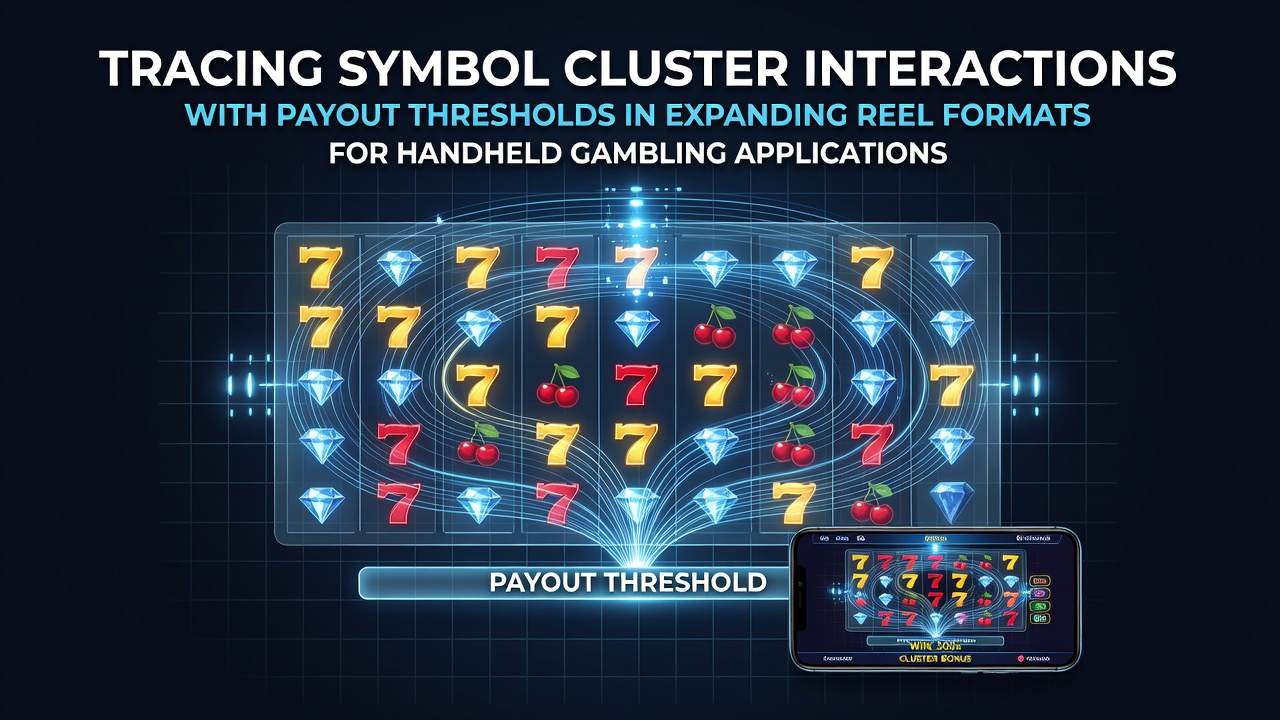
Developers track symbol cluster interactions in expanding reel formats by mapping how adjacent matches form across variable row counts while payout thresholds determine activation points for rewards in handheld gambling applications, and these systems operate through layered algorithms that adjust reel heights during spins. Research indicates cluster detection routines scan for groups of identical symbols meeting minimum adjacency rules, then cross-reference those groups against payout tables that scale with cluster size and reel expansion level.
Core Mechanics of Reel Expansion and Cluster Detection
Expanding reel formats allow individual reels to grow from base configurations such as five rows up to eight or more during active play, which increases the total symbol positions available for cluster formation. Observers note that software engines recalculate possible cluster pathways after each expansion event because new rows introduce additional adjacency opportunities that standard fixed-reel engines never encounter. Data shows these recalculations occur within milliseconds on handheld devices, relying on optimized matrix traversal methods that avoid full grid rescans on every frame.
Cluster detection begins with a seed symbol search that identifies starting positions, then fans outward using flood-fill logic to capture connected matches while respecting rules that prohibit diagonal connections in most implementations. Those who've studied this know that payout thresholds function as tiered gates, so a cluster of five symbols might unlock a base multiplier whereas clusters reaching eight or more activate secondary bonuses that incorporate the current reel height as a variable.
Threshold Calibration Across Mobile Platforms
Threshold values receive calibration through iterative testing cycles that measure payout frequency against regulatory return-to-player requirements in different jurisdictions. Figures reveal mobile applications often apply device-specific scaling factors because screen size and touch latency influence how players perceive cluster formation speed. Studies found that handheld hardware with higher refresh rates supports smoother animation of expanding reels, which in turn allows developers to tighten threshold windows without creating perceptible lag between spin result and reward display.
Interaction Mapping Techniques Used in Current Builds
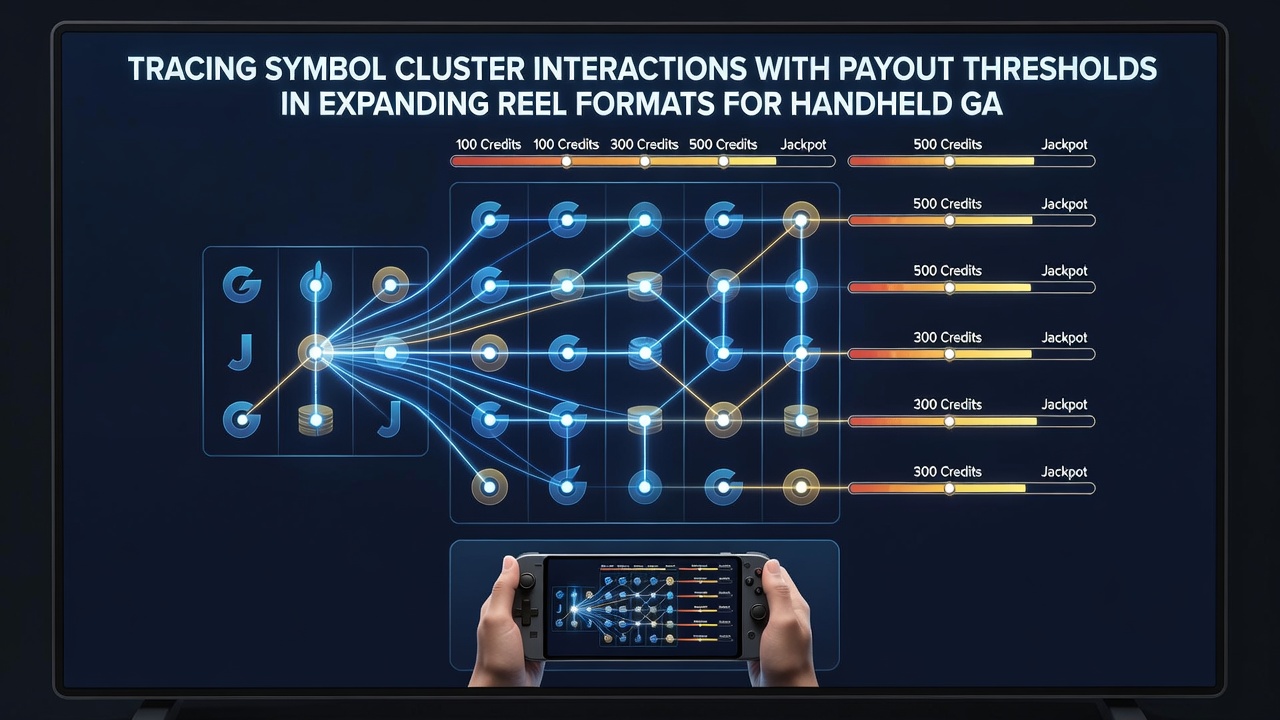
Interaction mapping combines static rule sets with dynamic simulation layers that replay recent spin sequences to predict cluster behavior under future expansions. According to reports from the Nevada Gaming Control Board, operators must document these mapping routines during compliance audits to demonstrate that threshold triggers remain consistent across all approved reel growth patterns. Engineers implement logging hooks that capture cluster size, reel height at payout, and symbol type for each qualifying event, producing datasets that later feed into balance adjustment models.
One study revealed that certain symbol types exhibit higher interaction density when reels expand because their placement frequencies increase on added rows, creating feedback loops that accelerate threshold crossings. Researchers discovered these loops require explicit damping parameters to prevent runaway payout streaks during extended play sessions on portable devices.
Data Collection Practices as of October 2026
By October 2026 many development teams had integrated real-time telemetry streams that transmit anonymized cluster interaction logs from live mobile sessions back to central analytics platforms. These streams allow continuous refinement of threshold curves without requiring full client updates, since parameter changes push through configuration servers that handheld applications poll at regular intervals. External validation comes from organizations such as the Alcohol and Gaming Commission of Ontario, which reviews aggregated interaction data to confirm that expansion mechanics do not disproportionately favor particular cluster sizes.
Additional oversight appears through academic partnerships where university labs receive sanitized datasets for independent analysis of threshold fairness across expanding formats. The reality is that mobile-specific constraints like battery usage and network variability force developers to balance analytical depth against performance overhead, leading to hybrid on-device and server-side processing pipelines.
Implementation Examples from Industry Builds
Take one development studio that published technical notes describing a three-stage verification process for cluster payouts: first confirming adjacency rules on the expanded grid, then validating against the active threshold table, and finally applying any height-based multipliers before rendering results. People who've examined these notes observe that the final stage often incorporates secondary checks to ensure cumulative rewards stay within certified mathematical boundaries. Another case involved an Australian operator that adjusted cluster thresholds after observing regional play patterns showed higher engagement when expansion events aligned with mid-tier payout gates.
What's interesting is how these adjustments rely on geographic data segmentation rather than universal rules, since player behavior differs across regulatory environments. And yet the underlying tracing logic remains portable across applications because it operates on abstract matrix representations instead of device-specific graphics calls.
Conclusion
Tracing symbol cluster interactions with payout thresholds in expanding reel formats requires coordinated algorithmic layers that account for dynamic grid growth, adjacency validation, and tiered reward activation on handheld platforms. Evidence suggests continued refinement through telemetry and regulatory review will shape how these systems evolve while maintaining consistent mathematical outcomes across sessions. Observers note that the integration of such mechanics into mobile gambling applications continues to draw from cross-disciplinary methods in computer graphics, probability modeling, and compliance engineering.